
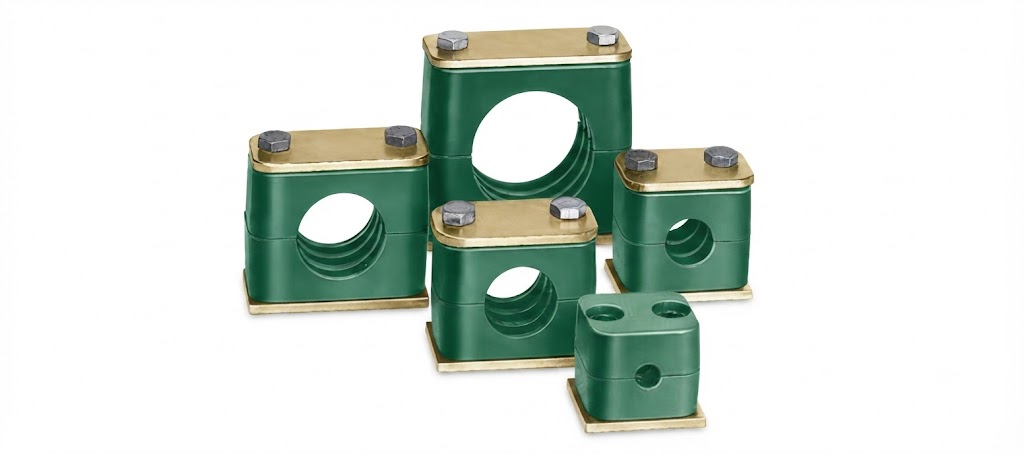
Choosing the Right Pipe Clamp: Essential Selection Factors for Safe, Stable, and Efficient Industrial Piping Systems
Choosing the appropriate pipe clamp is crucial in the engineering design of a safe, stable and efficient piping system used in industrial applications. Pipe clamps are used to hold and attach pipes, tubes, hoses and to ensure correct operation of these components. Pressure, vibration, temperature variations, high loads and harsh conditions in the environment can occur in industrial piping systems.
If the clamp is not appropriate, excessive movement, vibration, pipe damage, leakage, and or higher maintenance costs can occur. Engineers, contractors, and facility managers can select the right pipe clamp by knowing the selection factors and be assured of reliable performance and support.
What Is a Pipe Clamp?
Pipe clamp is a mechanical part that is used for clamping pipes and tubes, supporting pipes and tubes, securing pipes and tubes, or guiding pipes and tubes. It keeps unwanted movement from the pipe system and keeps it in the proper position. Pipe clamps can vary according to the specifics of the application, ranging from light duty to standard duty to heavy duty.
Industrial pipe clamps are found in hydraulic systems, manufacturing plants, chemical processing facilities, water treatment systems, power plants, oil and gas and other industrial processes.
Key Factors to Consider When Selecting a Pipe Clamp
1. Consider the Pipe Size and Diameter
The outside diameter of the pipe/tube is one of the initial factors to consider. The clamp needs to fit snugly on the pipe, ensuring it is securely held but not crushed too tightly or moved.
Before selecting a clamp, accurately check:
- Outside pipe diameter
- Pipe wall thickness
- Pipe material
- Required installation space
A properly sized pipe clamp improves stability and helps maintain the alignment of the entire piping system.
2. Evaluate the Load Capacity
The selected pipe clamp must be capable of supporting the weight of the pipe and the material flowing through it. Heavy industrial pipes can transport liquids, gases, chemicals, or other process materials that will greatly increase the overall load.
Consider both static and dynamic loads when making a selection. Static loads are the dead weight of the pipe and the contents of the pipe, and dynamic loads can occur due to vibration, pressure, fluid flow or equipment operation.
When selecting a clamp, it is important to choose a clamp that has an appropriate load capacity, as this will help to prevent the clamp from sagging, moving, and causing any unnecessary strain on the system.
3. Choose the Right Pipe Clamp Material
Material selection is another significant aspect when selecting a pipe clamp. The material should be appropriate for the intended application and pipe material.
Materials range from carbon steel, stainless steel, aluminum and engineered thermoplastics. In certain situations where corrosion resistance is a concern, stainless steel may be the preferred material. Carbon steel may be appropriate for general industrial uses, and thermoplastic materials can have advantages like chemical resistance and low surface damage.
4. Consider Temperature and Environmental Conditions
Pipes in industrial areas may be subject to high temperatures, low temperatures, moisture, chemicals, dust and corrosive materials. These conditions can affect the performance and lifespan of the pipe clamp.
Evaluate the expected operating conditions before making a selection. Determine if the system is used indoors or outdoors or if it will be subject to a humid environment, chemicals, UV radiation, or extreme temperatures. Selecting a clamp designed for these conditions can improve reliability and reduce maintenance requirements.
5. Check Vibration and Pipe Movement
Pumps, compressors, motors, and flowing fluids can create vibration within an industrial piping system. Continuous vibration may cause wear, loosening, noise, and damage if the pipes are not properly supported.
The right pipe clamp can help control movement and maintain pipe stability. Fixed supports, guiding clamps, and heavy-duty pipe clamps which are able to handle vibration and mechanical loads may be necessary, depending on the application. Correct clamp spacing, too, is crucial to minimize pipe deflection and provide uniform support during installation.
6. Consider Installation and Maintenance Requirements
The pipe clamp should be easy to install and service. Take into account space, mounting, access and future inspection into account.
A well-designed clamping solution can simplify installation and make it easier to replace or inspect pipes when necessary. Selecting high-quality components that match the requirements of the system can also help reduce downtime and long-term maintenance costs.
Why Choosing the Right Pipe Clamp Is Important
Choosing the right pipe clamp plays a significant role in the safety, efficiency and longevity of an industrial piping system. A suitable clamp can provide several benefits, including:
- Improved pipe stability and alignment
- No more vibration and unwanted movement
- Better load distribution
- Protection against pipe damage
- Reduced maintenance requirements
- Improved operational safety
- Longer service life of the piping system
Instead of choosing a clamp based only on cost, it is important to evaluate the complete application and operating requirements.
Why Choose DL Fluid?
DL Fluid offers industrial solutions to assist fluid handling and piping applications. When selecting pipe clamps, factors such as pipe size, operating conditions, load requirements, vibration, and environmental exposure should be carefully evaluated.
Choosing suitable and reliable piping components can improve installation quality and contribute to the long-term performance of industrial systems. A professional approach to component selection helps businesses achieve better safety, efficiency, and durability.
Conclusion
Choosing the right pipe clamp for industrial piping systems requires careful consideration of size, material, load capacity, temperature, environmental conditions, and vibration. Every application has different requirements, so the clamp should be selected based on the specific demands of the system. Choosing the right pipe clamp helps keep pipes aligned, prevent movement, minimize stresses and enhance system reliability. With careful consideration of these factors and the selection of high-quality industrial pipe products, companies can minimize maintenance requirements and ensure safer, more efficient, and durable piping systems.
Frequently Asked Questions (FAQs)
Use an outside diameter tape to find the dimension of the pipe and choose a pipe clamp that fits that size.
Depending on operating conditions such as temperature, corrosion exposure, chemicals, load requirements, and others, the best material would vary.
Yes. A well-chosen, properly installed pipe clamp can help minimize pipe movement and vibration.
They are used in hydraulic systems, manufacturing plants, water treatment facilities, chemical plants, and other industrial piping applications.